Amazon to Shut Down All Fresh and Go Stores as Retail Strategy Shifts
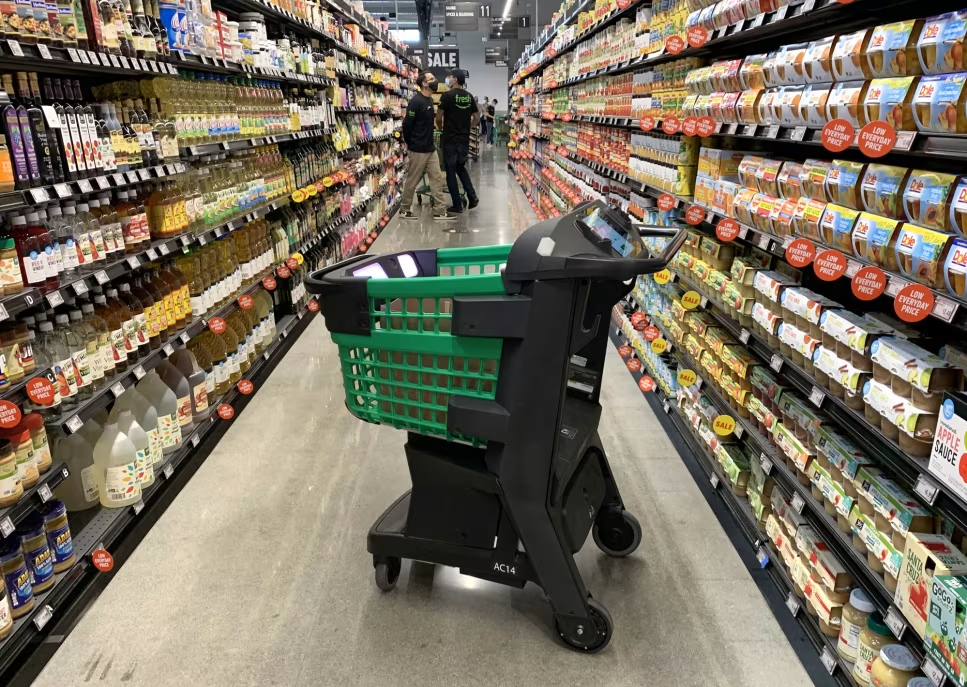
Amazon has announced plans to close all of its Amazon Fresh and Amazon Go stores, marking a major retreat from the company’s decade-long push into physical retail grocery and checkout-free shopping. The decision affects dozens of locations across the United States and the United Kingdom, where the company had attempted to expand its presence in the highly competitive grocery market.
In a statement released on Wednesday, Amazon executives said the closures are part of a “broader restructuring” of its physical retail operations as the company works to streamline costs and focus on more profitable segments of the business. Amazon noted that while it still sees long-term opportunity in grocery, the existing store formats “have not delivered the level of growth or customer adoption we targeted.”
Amazon Go, launched in 2018, was known for its Just Walk Out technology, allowing shoppers to pick up items and leave without going through a traditional checkout line. The system used a network of sensors, cameras, and AI to track purchases — a concept that garnered global attention but failed to scale as intended. Amazon Fresh stores, introduced as full-service grocery outlets, faced challenges competing against established chains like Walmart, Kroger, and regional grocery brands with deeper roots in local markets.
Reports indicate that rising operational costs, supply chain complexities, and slower-than-expected customer turnout contributed to the decision. Some employees expressed frustration, saying the changes had been anticipated for months as locations saw reduced hours and staffing adjustments.
The closures will occur over the coming months. Amazon has said it will attempt to relocate affected workers to other roles within the company, though the total number of employees impacted has not yet been publicly disclosed.
Industry analysts say the move signals a shift in Amazon’s retail ambitions. While the company once aimed to redefine grocery shopping through automation and data-driven insights, it will now concentrate on strengthening online grocery delivery through Amazon.com, Whole Foods Market, and partnerships with third-party sellers.
Despite the rollback of its brick-and-mortar grocery experiment, Amazon stressed that the decision does not represent a full withdrawal from physical retail. Instead, the company said it plans to “reimagine future store formats” and invest in new innovations that could be tested on a smaller scale before broader rollout.
For consumers, the closures may lead to the end of one of the retail sector’s most ambitious attempts at cashierless shopping — a concept that once appeared poised to reshape the global supermarket landscape.
About the Author


