
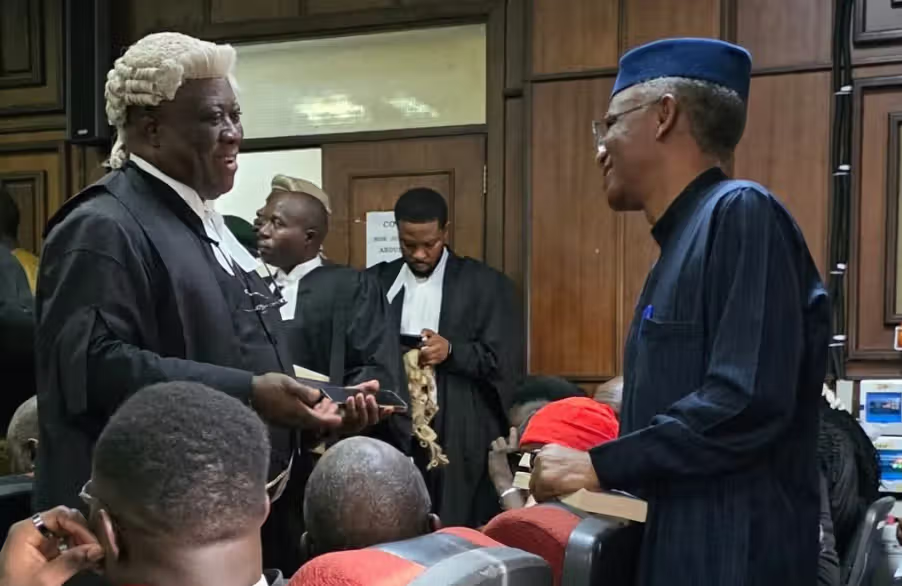
El-Rufai Complained of Swollen Eyes in Custody, ICPC Failed to Provide Medical Attention, Aide Alleges
An aide to former Kaduna State Governor Nasir El-Rufai has alleged that the former governor complained of swollen eyes while in the custody of the Independent Corrupt Practices and Other Related Offences Commission (ICPC) but was not provided access to a medical doctor despite requesting treatment.
The allegation emerged amid ongoing discussions surrounding El-Rufai’s detention and interactions with anti-corruption authorities. According to the aide, the former governor experienced discomfort related to his eyes during his period in custody and repeatedly sought medical attention. However, the aide claimed that those requests were not acted upon by officials overseeing his detention.
The aide stated that El-Rufai informed those responsible for his welfare that he was experiencing swelling and irritation in his eyes and believed he needed professional medical assessment. According to the account, concerns about his condition persisted throughout part of his detention period.
The claims have generated public interest due to the broader issue of access to healthcare for individuals held in custody by law enforcement and investigative agencies. Human rights advocates have long maintained that detainees are entitled to adequate medical care and that authorities have a responsibility to address legitimate health concerns regardless of the nature of an investigation.
Supporters of the former governor have expressed concern over the allegations and called for clarification regarding the circumstances surrounding his detention. Some have argued that any individual in custody should have prompt access to medical evaluation when health complaints are reported.
The Independent Corrupt Practices and Other Related Offences Commission has not publicly confirmed the specific allegations regarding the reported medical request. As of the latest developments, officials have not released a detailed response addressing claims that El-Rufai was denied access to a doctor while in custody.
Legal experts note that Nigerian law and international human rights standards generally require authorities to ensure the welfare of detainees, including access to necessary medical care. The extent of those obligations can depend on the circumstances of each case and the nature of the reported health issue.
The controversy has also reignited broader conversations about detention conditions within investigative and law enforcement institutions. Advocacy groups have repeatedly emphasized the importance of transparency and accountability in the treatment of individuals undergoing investigation or detention.
El-Rufai remains one of Nigeria’s most prominent political figures, having served as governor of Kaduna State and held several key public positions throughout his career. Developments involving the former governor often attract significant public attention and political commentary.
Observers say the allegations are likely to intensify scrutiny of the procedures followed by agencies responsible for detaining high-profile individuals. Questions surrounding access to legal representation, healthcare, and other welfare provisions frequently arise in cases involving politically exposed persons and public officials.
Meanwhile, supporters of the anti-corruption agency have urged caution, noting that claims made by aides or associates should be independently verified before conclusions are drawn. They argue that investigations should be guided by evidence and official records rather than public speculation.
The situation continues to attract attention from political stakeholders, legal analysts, and civil society organizations interested in ensuring that due process and detainee rights are respected throughout investigative proceedings.
As discussions continue, many observers are awaiting an official response from the ICPC regarding the allegations. Clarification from the commission could help establish the facts surrounding the reported request for medical attention and address concerns raised by the former governor’s associates.
For now, the claims remain a subject of public debate, highlighting the importance of detainee welfare, access to healthcare, and transparency in the administration of justice. Further developments are expected as additional information emerges from both the former governor’s camp and relevant authorities.
About the Author


